France Holidays
France holiday ideas
A few suggestions to get the holiday planning process started
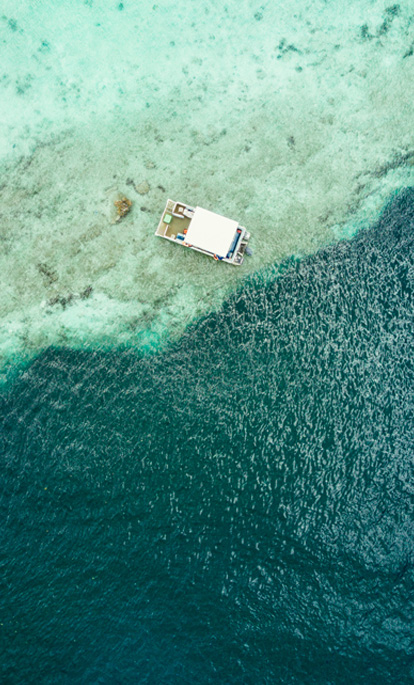
A Big Short Break in Northern Brittany - Sailing Trips, Shoreline Strolls & Seafood Suppers
Hit the road along Brittany’s spectacular coastline on a five-day escape from Trebeurden to Saint-Malo
5 days, from £1300 to £1650
A Family City Break to Paris - Croissants, Clue-Cracking & City Icons
Parade around Paris with the family for four fun-filled days, making memories together and ticking off bucket-list sights
4 days, from £1550 to £2000
From Burgundy to Champagne - Discover France's Best Wines
Discover two of France’s best wine regions on this five-day trip from Burgundy to Champagne
5 days, from £1700 to £2150
From the Basque Country to Bordeaux - A Road Trip Along France’s Southwest Coast
Trade crowded icons for quiet charmers on this eight-day road trip along the tranquil shores of southwestern France
8 days, from £1700 to £2500
Oysters, Ocean Views and Old Towns - A Normandy and Brittany Road Trip
Embark on a week-long road trip from Normandy to Brittany, discovering windswept beaches, soaking up local history and savouring coastal cuisine
7 days, from £1700 to £2500
Perigord, Cantal and Aubrac - Road Trip Through the Heart of France
Embark on a week-long road trip across central France, journeying from Perigord into the heart of the Massif Central
8 days, from £1800 to £2400
Corsica From Top to Tail - Oletta, Corte and Propriano
Discover the delightfully diverse landscapes of Corsica on this nine-day road trip from the north to the south of the island
9 days, from £2300 to £3100
Coastal Chill in Calvi and Porto-Vecchio - A Week Under the Corsican Sun
Revel in the ruggedness of Corsica during this week-long sojourn on the island’s north and south coasts
7 days, from £2300 to £3100
From La Gacilly to Saint-Briac-sur-Mer - A Rugged Road Trip Through Brittany
Bask in the beauty of Brittany on this 11-day road trip around the region’s rugged coast
11 days, from £2500 to £3200
Why visit France with Original Travel ?
Given our parent company, Voyageurs du Monde, are based in Paris, our French travel tips are second to none, and are constantly being updated with local knowledge. Supplemented by this first-hand expertise, our well-travelled team can tailor itineraries to your preferences... think the likes of wine-tasting tours organised by our Conde Nast Wine Regions Specialist, cheese-making in the mountains or tours of Paris in a vintage car. Equipped with nothing but school-level French? Fear not; our trusty Concierges and guides are on hand in places like Corsica, where English speakers are scarce.
Enquire nowA few of the benefits of travelling with us to France
- Our local Concierges
- The Original Travel app
- Destination Dossier
- 24-hour helpline
- Expert guides
- 100% carbon absorption
Travel to France by region
Alsace & Champagne
Aquitaine & South-West France
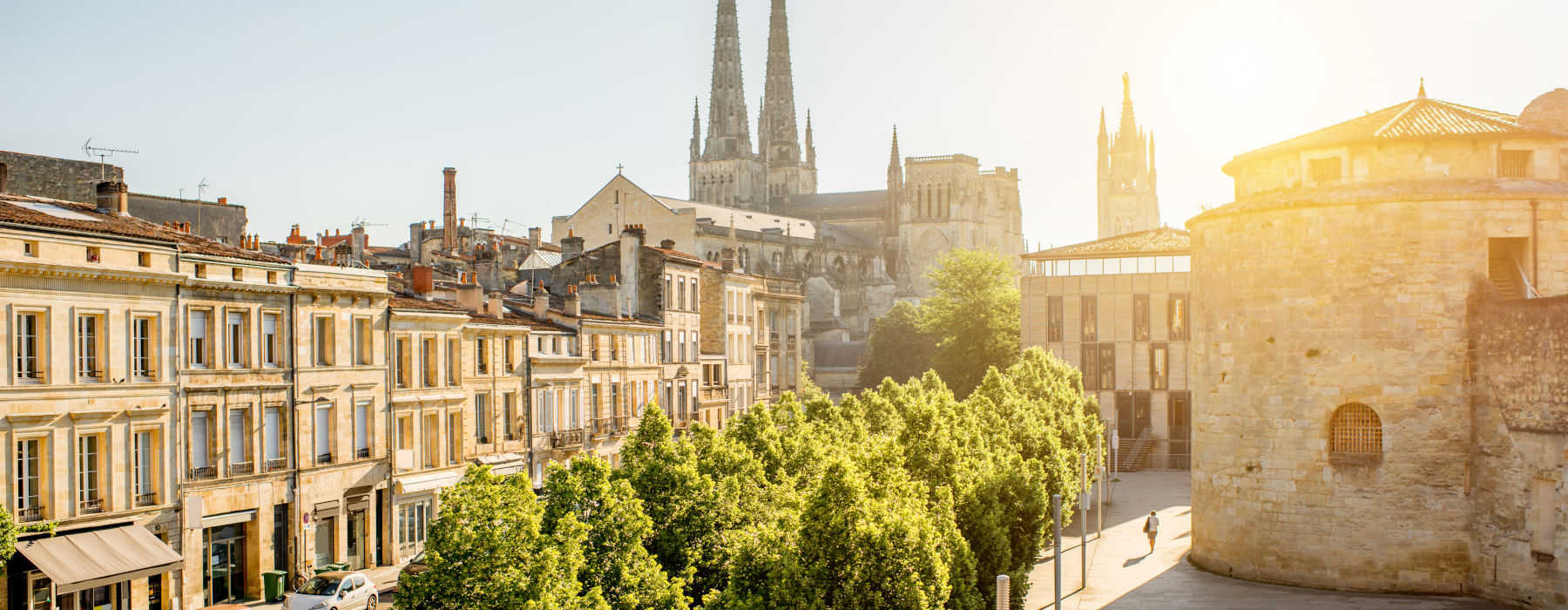
Bordeaux
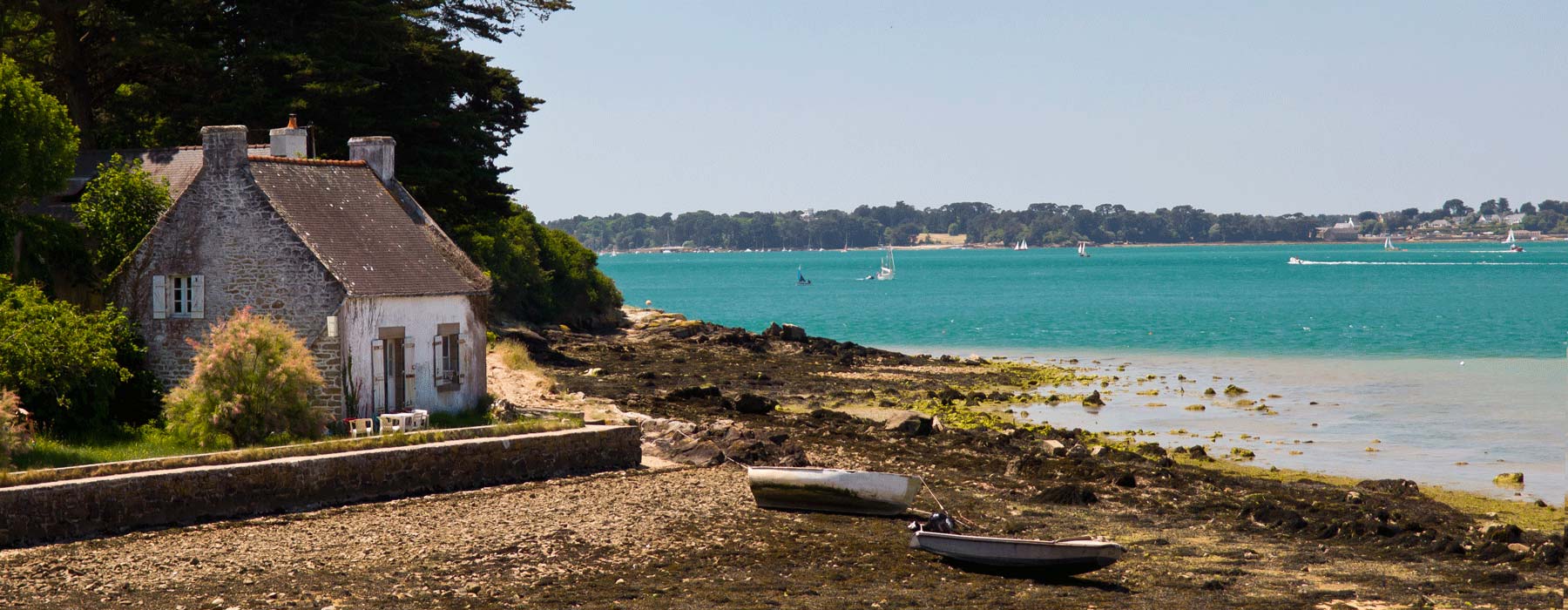
Brittany
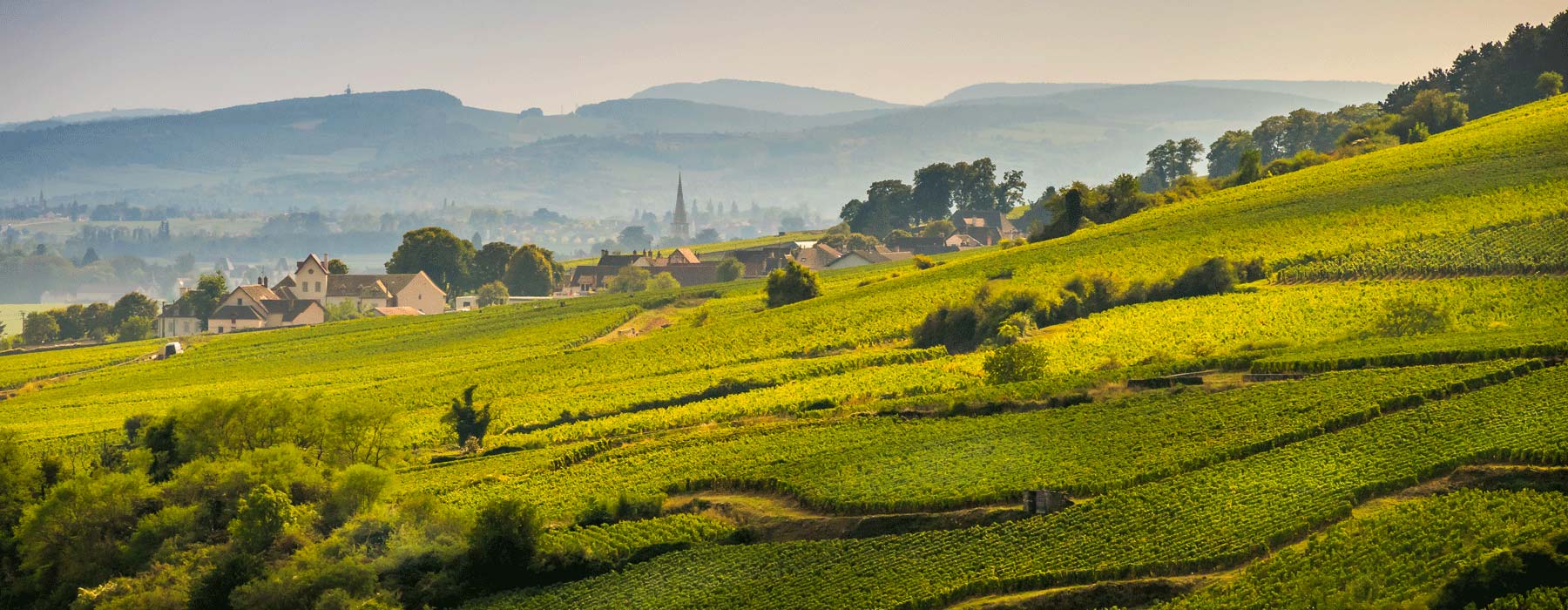
Burgundy
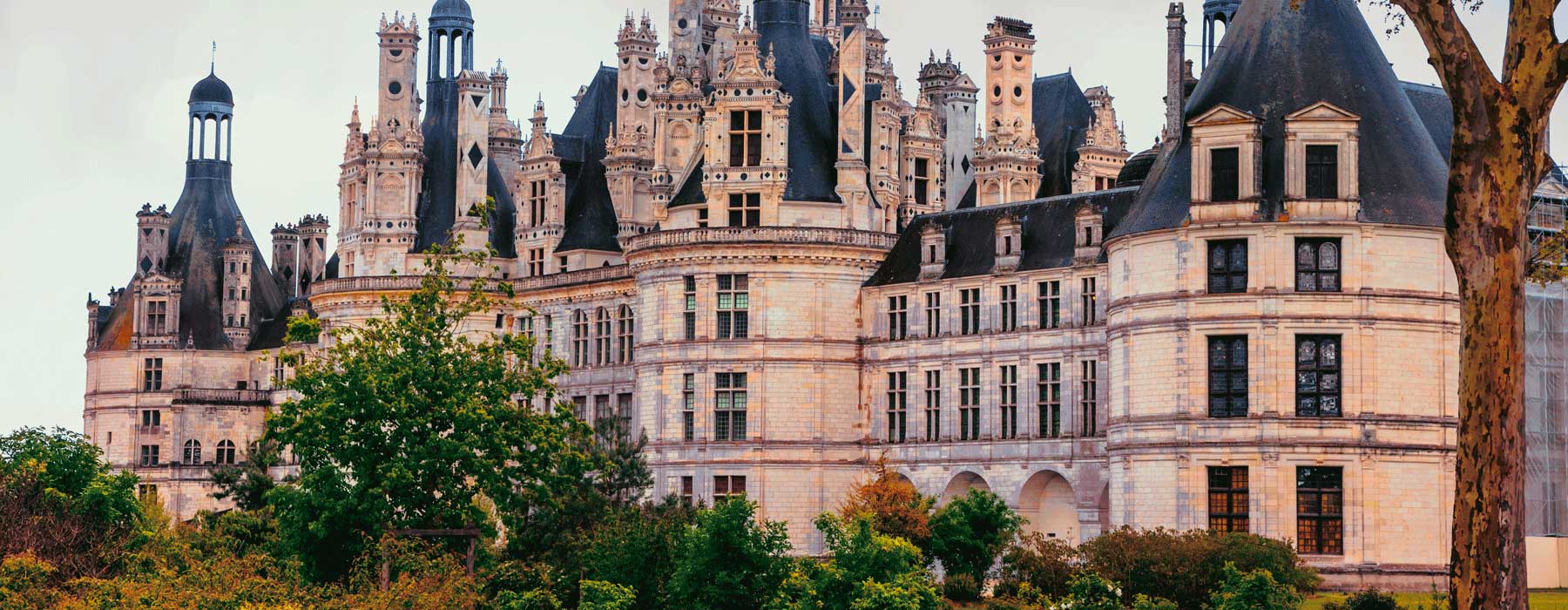
Central France & Loire Valley
Corsica
Dordogne
French Riviera
Lyon
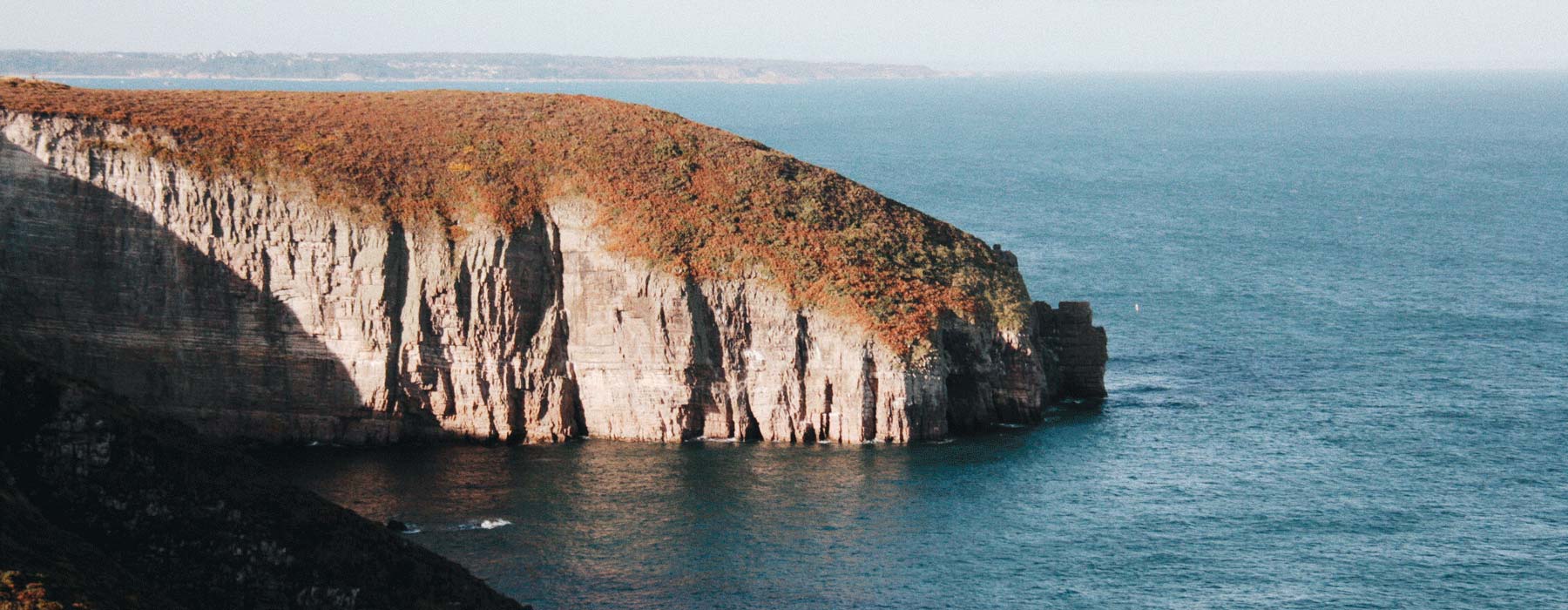
Normandy
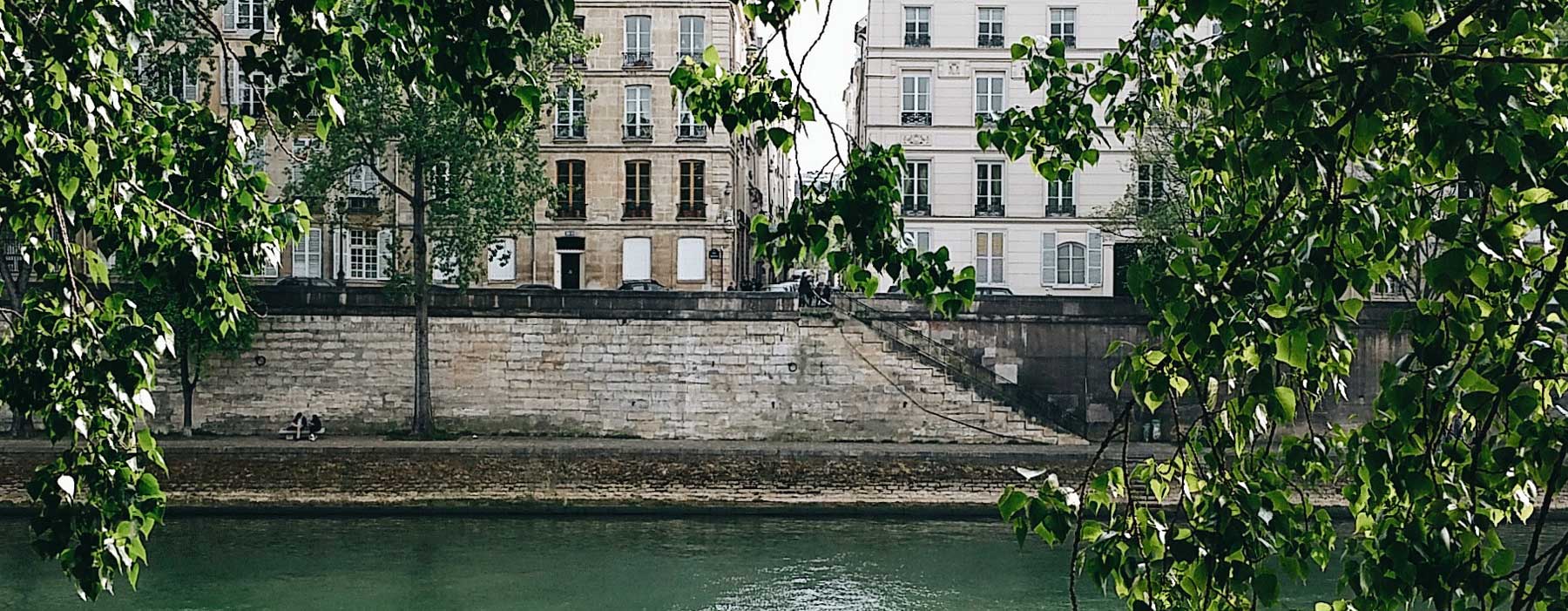
Paris
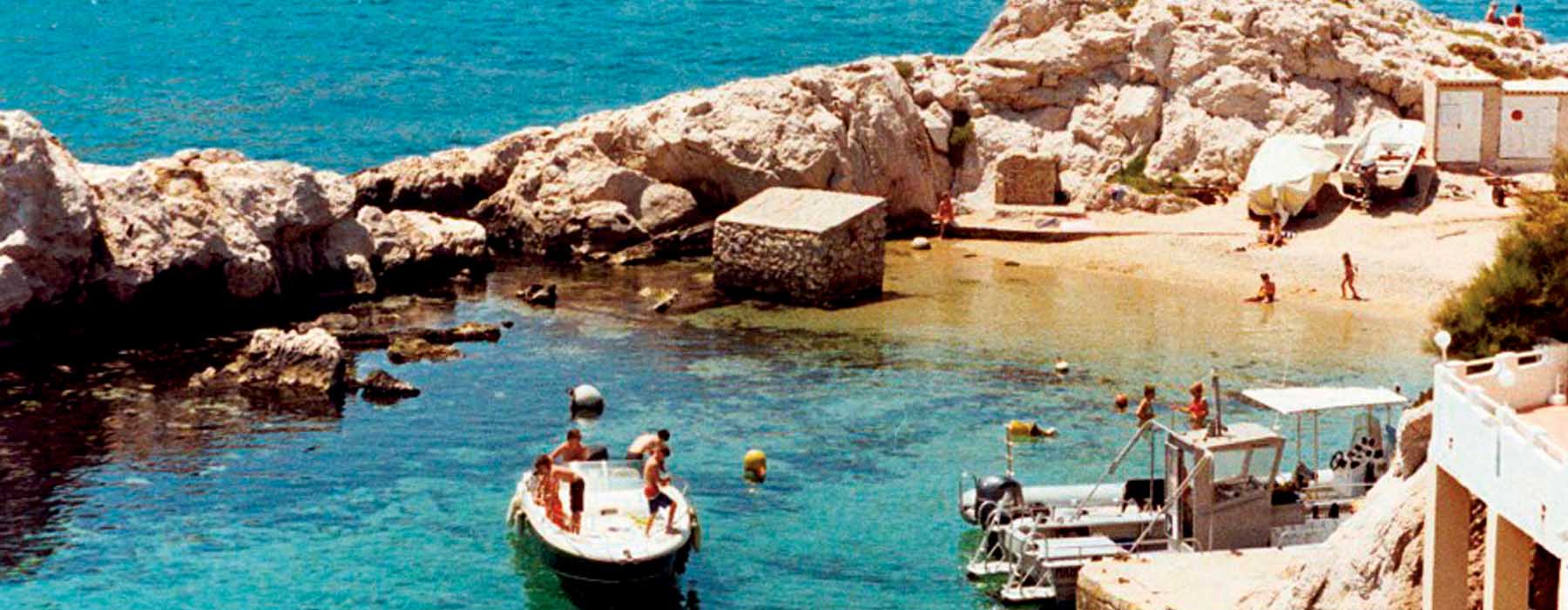
Provence & The Mediterranean Coast
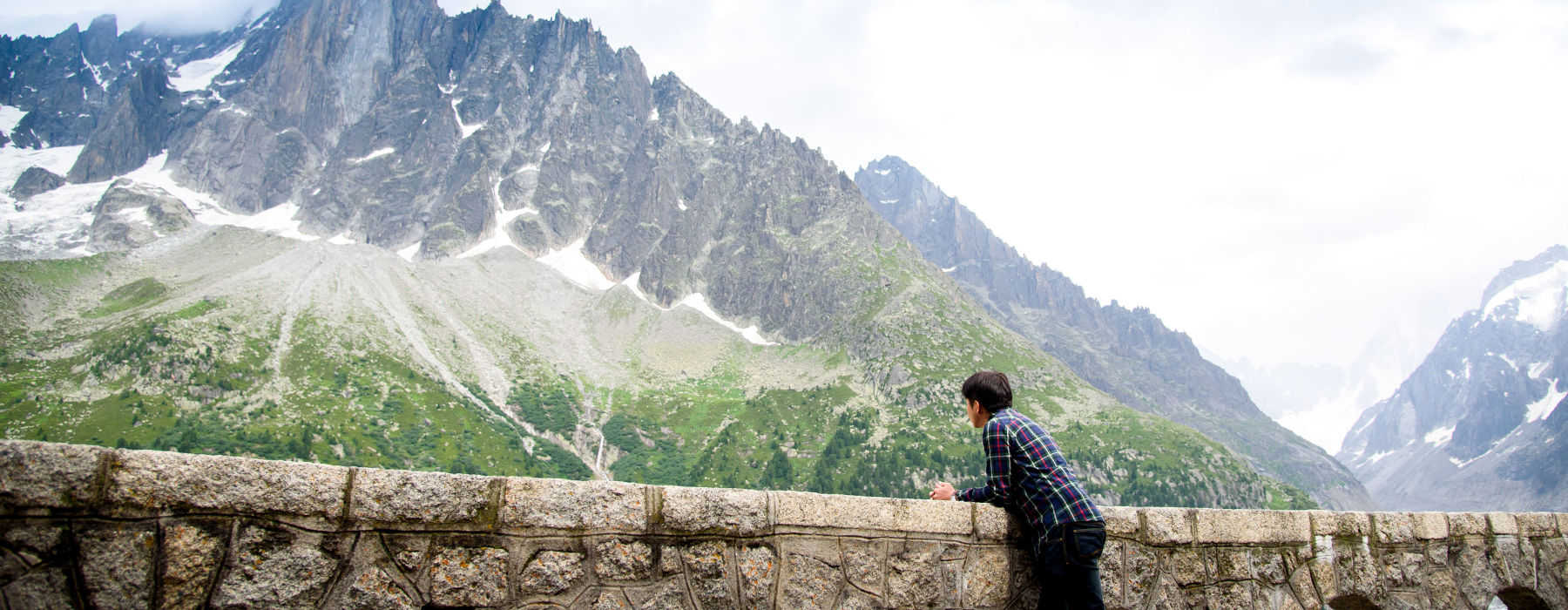
The Alps
Our France holiday collections
Discover different ways to explore France
France Guide
Practical advice and inspiration to help you prepare for your holiday
Practical guide
Best time to visit France
Travel Advice & Information
France Travel Advice & Information
Blog
Hidden Gems in Paris
France testimonials
Published on 29th September 2025
Published on 2nd September 2025
Published on 16th May 2025
Our France
specialists
Our talented consultants, including a Conde Nast Wine Regions Specialist, have explored France from Bordeaux to Burgundy to bring you the best secret experiences (horse ride in the Camargue, anyone?). On the ground, we work with clued-up Concierges who are well-versed in aiding with anything from lost passports to securing tables at exclusive restaurants. For culture-rich experiences, our local guides’ bilingual language skills will help you discover locations like a local.
Useful information for your France holiday
What is France famous for?
France is famous for its long and eventful history, world-class culinary reputation and diverse culture made up of different regional identities and communities, which maintain their identity through customs and traditions, from German food in Alsace to Celtic music in Brittany.
What is the food like in France?
France is known across the world for its excellent cuisine. From the smallest café to the grandest gourmet restaurant, you’ll be able to find something delicious to dine on (think beef bourguignon, coq au vin and French onion soup). Typically, the food is rich and packed with flavour, and the French are famed for their wine, bread and cheese.
There are so many specialities across the country that each region has its own flavour and distinct character, from sauerkraut and white wine in the Alsace region and snails and beef in Burgundy, to butter pancakes in Brittany and the iconic Normandy Camembert.
What is the drink like in France?
France is indisputably one of the world’s best places for wine including white, red and rosé and it is, of course, the birthplace of Champagne. You can also find Cognac, Armagnac, Grand Marnier, Cointreau, Absinthe and more.
What is the restaurant etiquette in France?
French restaurants run a tight ship. Breakfast and lunch come early, but dinner reservations start late (from about 8pm onwards). The bar, café and restaurant culture is strong in France, and you’ll find plenty of chic places to eat and drink. Some even open early for breakfast and then turn into a bar that doesn’t close until two in the morning.
It’s also important to note that during the Les Grandes Vacances (summer holidays) – which the French take very seriously – many restaurants and smaller boutiques shut so their owners and employees can enjoy the August sun.
Do you tip in France?
Tipping isn’t expected in France, but it’s customary to leave a small tip at your discretion, if you experienced great service. Restaurants usually include a service charge.
How long does it take to drive to France?
The length of the drive will depend on where you start your journey in the UK and where your destination is. Your journey length is also affected by how you cross the English Channel – it takes 35 minutes in the Euro Tunnel from Folkestone to Calais, but an hour and a half by ferry from Dover to Calais.
- From London to Paris, it would take around six-and-a-half hours without a break
- From London to Marseille, it would take between 13 and 14 hours without a break
- From Manchester to Paris, it would take between nine and 11 hours without a break
- From Manchester to Marseille, it would take between 16 and 17 hours without a break
How much are tolls in France?
Toll roads in France (also known as autoroutes) cost between €10 and €50 depending on the size of your car and the road you’re on.
You pay the amount at a booth or machine at the start or end of the toll road, or, in the case of automated toll roads, pay within 72 hours of your journey on the operator’s website.
What plugs are used in France?
European plugs (Type C, with two round prongs) are used in France, so make sure you take an adapter for any UK appliances. Electricity is 220V.
How long is a flight to France?
Depending on the destination, a flight from London to France can be between one hour and ten minutes and two hours.
What is the climate in France?
France has a temperate climate. The weather is very dependent on the seasons, with mild temperatures (10°C -18°C) and rain in spring, sunshine in summer, damp days in autumn and cold temperatures in winter. Each region of France has a slightly different climate:
- In the west, expect mild winters and frequent rain.
- In the east, expect warm summers and cold winters, perhaps with snow.
- In the south, expect hot summers and mild, dry winters.
What is the time zone in France?
France is an hour ahead of GMT. As with most European nations, the country observes daylight savings, so is two hours ahead of GMT during that period.
What language is spoken in France?
The official language is French. There are a few different dialects across France, including Basque, Breton, Catalan, Corsican, West Flemish, Franco-Provencal, Occitan and the German dialect in Alsace and Moselle. There’s also the Oil languages. Berber-French and Arabic-French dialects are spoken in Arabic and North African communities.
Should I try to speak French?
Knowing a little French will go a long way. Swot up on a couple of French phrases to use with shopkeepers and restaurant staff. Although they will most likely spare you and reply in English, it leaves a good impression. Plus, the further you head into rural France, the more French you’ll likely need to speak and understand.
What do I need to drive in France?
You must be aged 18 or over and hold a full, valid driving licence (they accept licences issued in the UK). You must be able to present your driving licence to the police if they ask to see it, or you may be issued a fine.
In addition, if driving your own car, you must:
- Carry your passport as proof of ID
- Carry your car insurance certificate
- Carry your V5 document
- Display a ‘UK’ sticker on your car if it’s registered in the UK
- Display a Crit’Air sticker if you drive in certain cities
- Keep reflective jackets, warning triangles, headlamp beam deflectors and snow chains in the car in case of emergency
What is the capital of France?
Paris is the capital of France.
Can you drink tap water in France?
Yes, despite many French people preferring bottled water, the tap water in France is safe to drink.
Where is France?
France is in northwestern Europe.
What currency does France use?
France adopted the euro (EUR) in 2002. Currency exchange can be done in certain banks, which are generally open from 10am to 5pm during the week in Paris, and from Tuesday to Saturday in the provinces. Many are closed over lunch between 1pm and 2pm. Some banks also open on Saturday mornings. Please note that the day before public holidays, banks often close earlier.
ATMs are widely available in department stores, railway stations, airports and near popular sites or post offices.
Do I need cash in France?
Yes. In the UK, cash seems almost obsolete, but in France, it’s still king. Some cafés and shops, such as bakeries, often require a minimum spend of €10, which is quite a few baguettes and croissants if you’re low on euros.
What is the religion in France?
France is a secular state where church and state are entirely separate. The country hasn’t collected data about religion since the 1972 census, but traditionally, Catholicism has been the most common religion.
How many time zones does France have?
France has 12 time zones, if you count its overseas territories. However, there’s only one time zone in mainland France.
When are amenities open in France?
In large cities, bakeries and food shops open very early in the morning and close around 7pm or 8pm (or even later in Paris). They usually close on Sunday afternoon and one day in the week.
Most other businesses open between 9am and 10am, and close between 7pm and 8pm. In the provinces, they often close at lunch time from 1pm to 2pm and are open from Tuesday to Saturday (except holidays).
Large supermarkets are often open until 9pm or 10pm. Each city or provincial town/village also has its weekly market where you can purchase regional products such as cured meats, local wines and ciders, and homemade honeys and jams.
How many people live in France?
The population of France is 66,645,527 (2025).
What are the passport validity requirements for visiting France?
Your passport should be valid for the entirety of your stay, for trips of up to three months in duration, and have a date of issue less than ten years before your arrival date.
Do I need a visa to go to France?
British citizens do not need a visa to go on holiday in France if their trip is 90 days or less. Make sure officials stamp your passport on entry and exit.
Do I need any vaccinations before I go to France?
You must be up to date on your vaccinations for life in the UK.
What are the best ways to discover France?
You have to start with Paris, l'épicentre of all things French. Until recently we thought twice about featuring a city so familiar to so many, but Paris might be the perfect victim of this era of social media-led information overload. So many boutique hotels to choose from, so many delicious bistros to sample, so many opinions on both. As a result, we are starting to work with a select few hotels that we think are best in show (or at least best in arrondisement) and we'd like to think our dossier of places to eat and drink in the city is so up to speed that a weekend in the City of Lights should be the perfect Big Short Break.
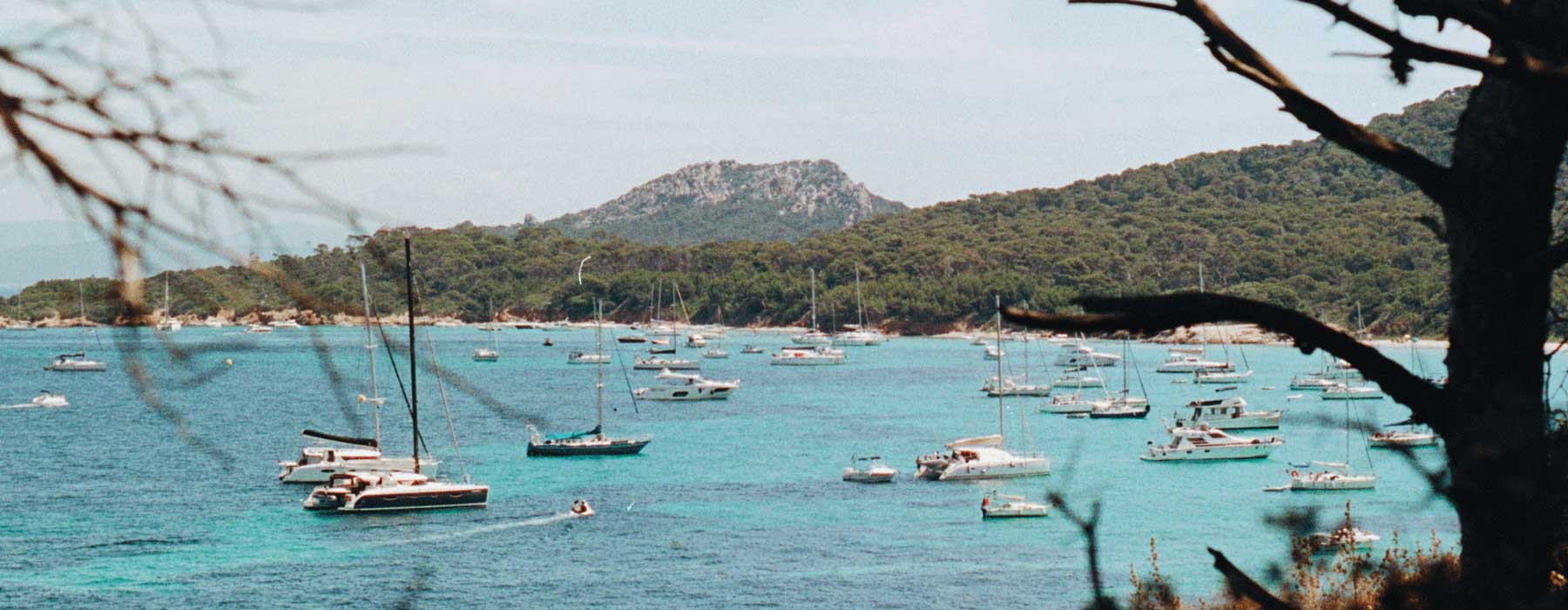
If you're looking to take your French foray further afield, there's some place called the Cote D'Azur that allegedly has some nice places to stay and rather attractive coastal scenery. You may have heard of it. The wider region of Provence, with its trademark lavender fields and honey-coloured stone villages, really does come close to God's own country. Despite what Yorkshiremen might have to say on the subject.
Over in the Alps, bon skiveurs will know all about the classic French ski resorts of the Trois Vallées, but Chamonix and Val d'Isère certainly give the holy trinity a red run for their money.
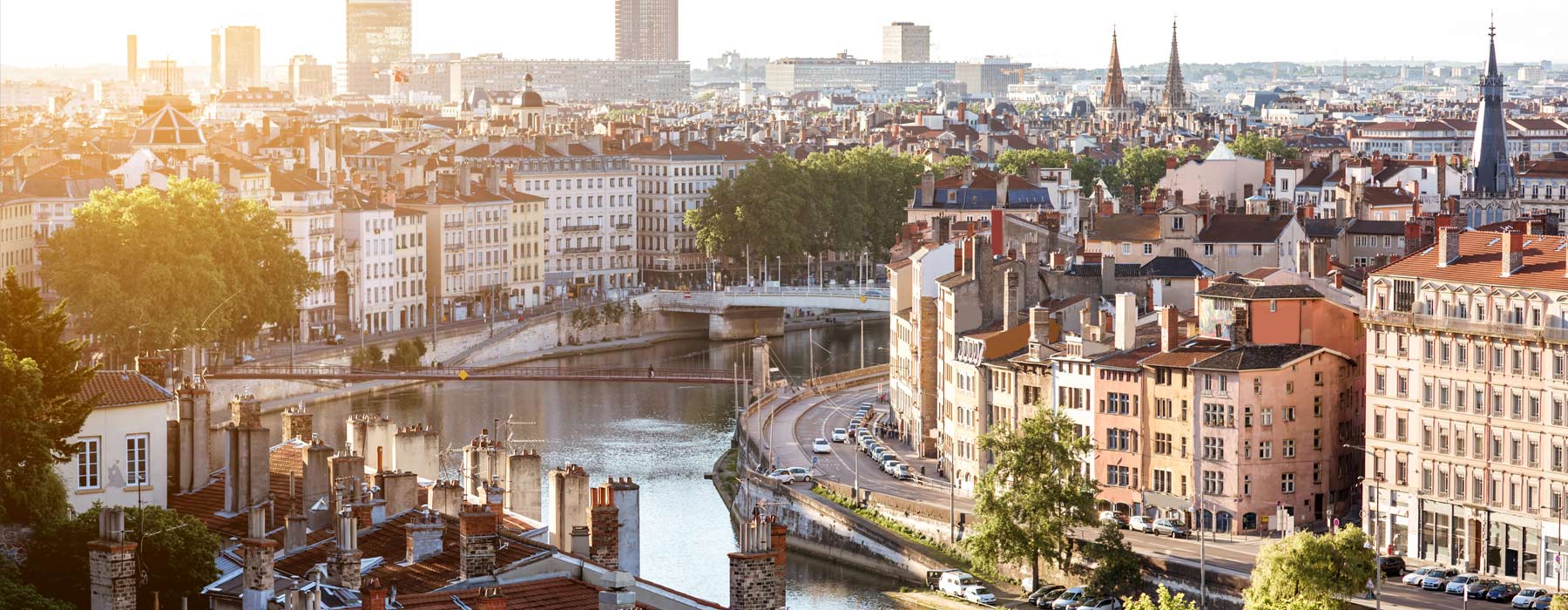
Heading west, the gastronomic heartland of France is not Paris, but the lovely city of Lyon with its ancient city centre, complete with mysterious traboules, secret passages dating back to the Middle Ages. Lyon is also the perfect place from which to strike out on your luxury holiday and explore the legendary wine regions of Burgundy and the Rhone Valley.
On the subject of wine, no lover of the grape could ever get bored with Bordeaux. The city itself is worth a look, built as it is on the profits of the sale of its most favourite export, but the wider wine region is just a very special place with the idyllic town of St Emilion a particular favourite.
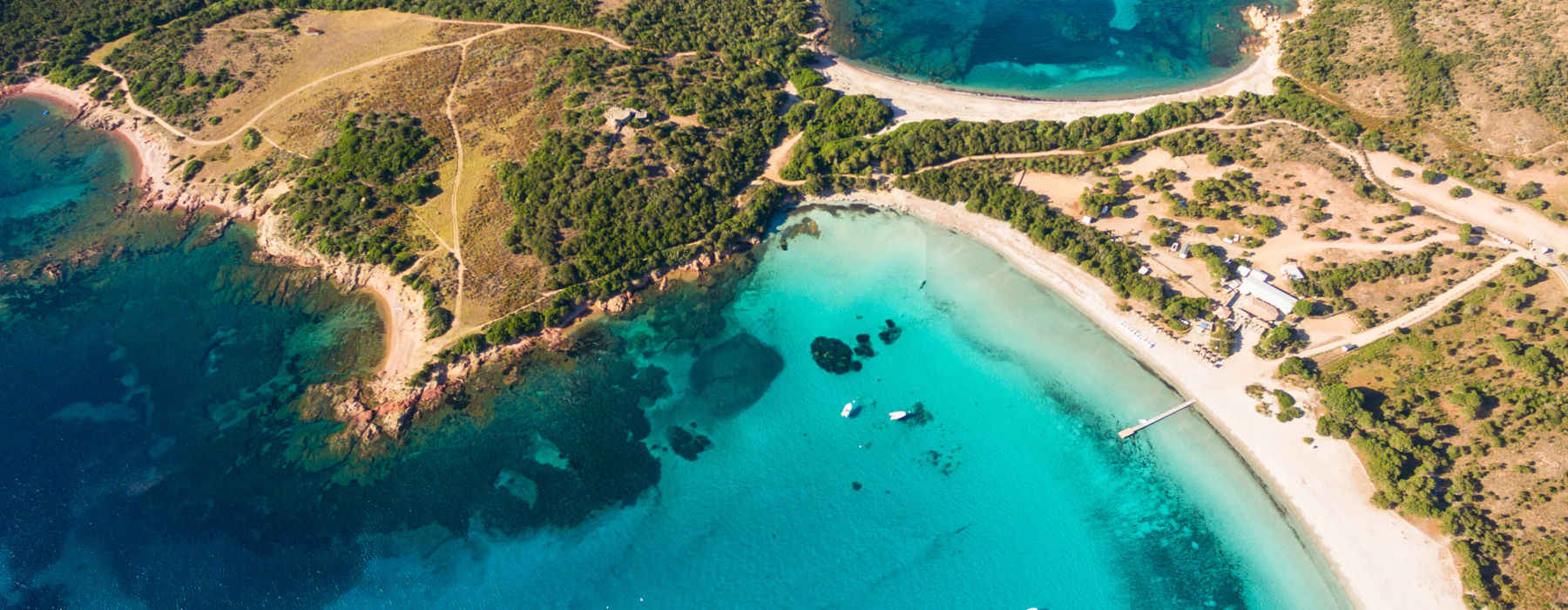
Last but by no means least is a French island with Italian influences, which surely must rate as the most unbeatable of luxury holiday combinations. Corsica, the island in question, is an incredible holiday itself, but also makes a great combo with Paris or the Cote D'Azur.